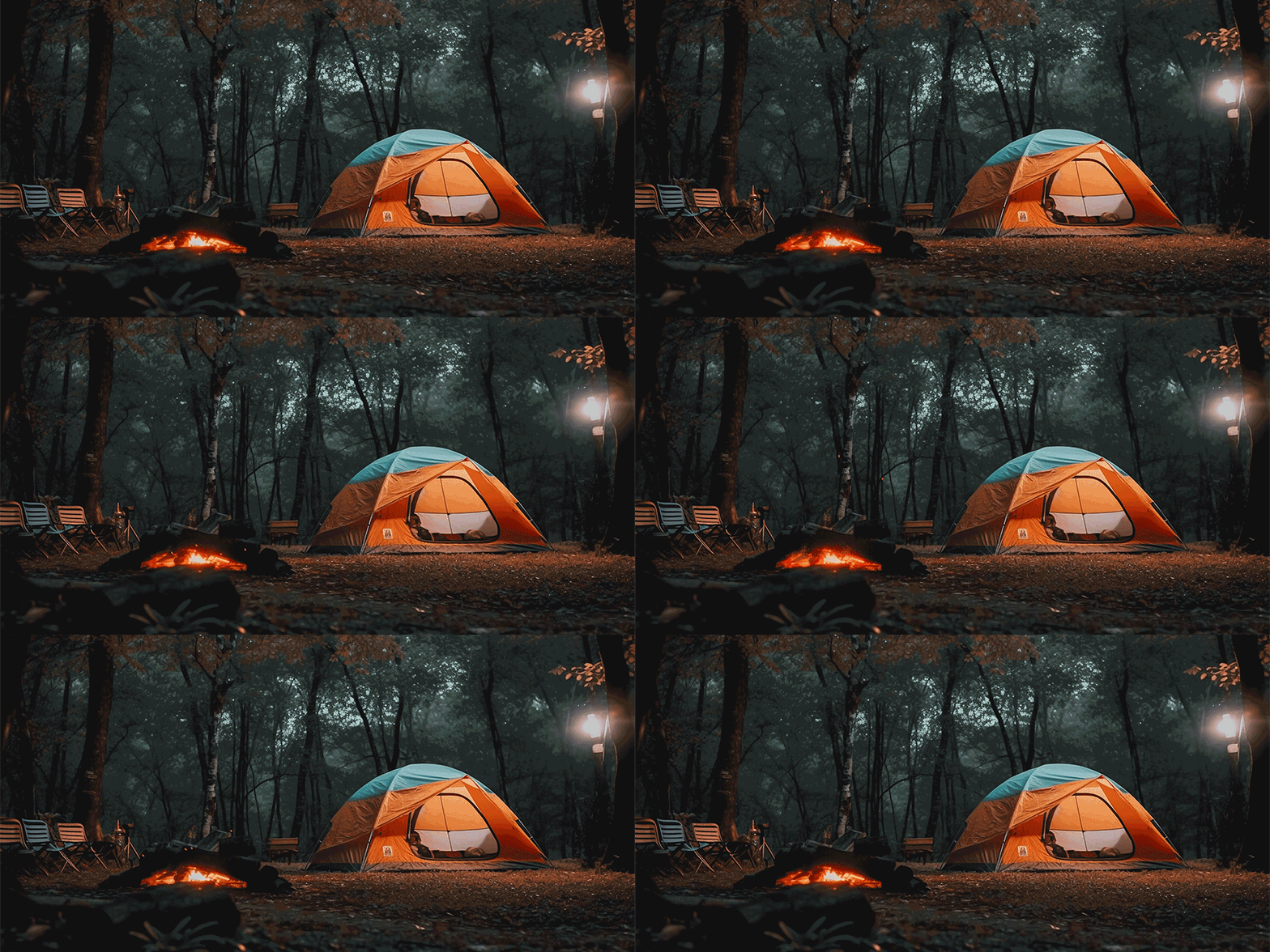
The Future of Gear: Trends Shaping the Outdoor Recreation Industry
From sustainable materials to smart tech integration, the outdoor gear industry is evolving fast.
As the outdoor recreation industry continues to evolve, gear manufacturers and retailers are experiencing rapid changes in both consumer demands and technological advancements. From sustainable materials to smart tech integration, the future of outdoor equipment is being shaped by innovation, environmental responsibility, and a heightened focus on user experience. Here are the key trends OREA members need to keep an eye on to stay competitive in this dynamic market.
1. Sustainable Innovation: Going Green is Here to Stay
The call for sustainability has never been louder, and consumers are expecting more from outdoor brands. While eco-friendly materials and production processes were once a niche market, they’re now a necessity for staying relevant. Companies like EcoTrek Gear and Greenline Apparel are leading the charge by using recycled, upcycled, and biodegradable materials to craft high-performance equipment.
Beyond materials, the entire lifecycle of products is under scrutiny. Forward-thinking brands are embracing circular economy models, offering repair services, gear recycling programs, and even rental options to reduce environmental impact.
Key Takeaway: Integrating sustainability into your product design isn’t just good for the planet—it’s becoming essential for your brand’s success. Today’s outdoor enthusiast wants gear that performs well and aligns with their environmental values.
2. The Rise of Smart Gear: Technology Meets the Trail
From GPS-enabled backpacks to self-heating jackets, technology is revolutionizing the way we experience the outdoors. As adventurers push the boundaries of exploration, they seek gear that enhances both safety and convenience.
Take the recent surge in wearable tech for outdoor enthusiasts. Brands like TrailTrack are incorporating advanced GPS features, real-time weather updates, and heart rate monitors into clothing and accessories, keeping adventurers informed and connected even in remote locations. Additionally, innovations like solar-powered gear are providing sustainable energy solutions for multi-day treks, ensuring that even the most rugged explorers stay powered up.
Key Takeaway: To remain competitive, manufacturers must embrace the intersection of technology and outdoor performance. Smart, connected gear is the future of outdoor recreation—and brands that harness it early will stand out.
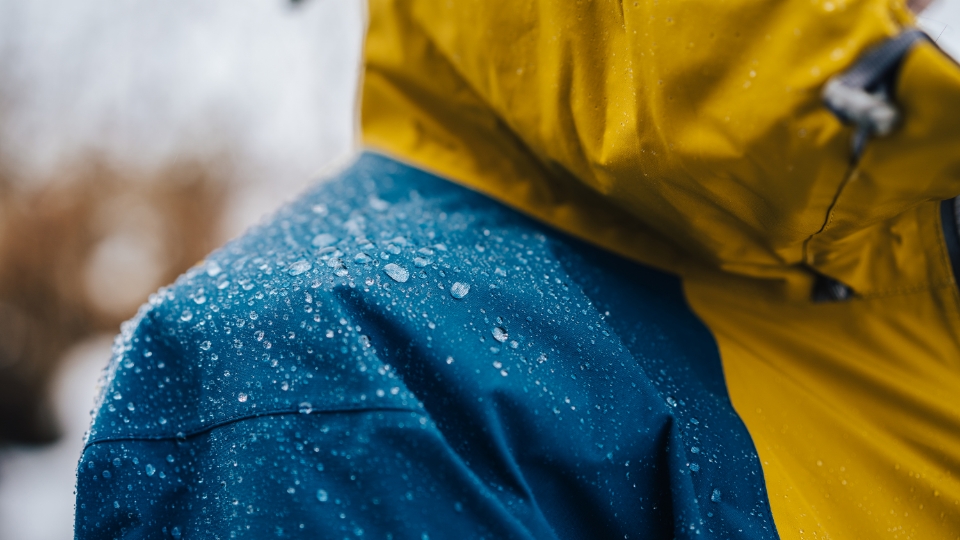
EcoTrek Gear’s latest raincoat, crafted from recycled and upcycled materials, exemplifies the shift toward eco-friendly outdoor apparel.
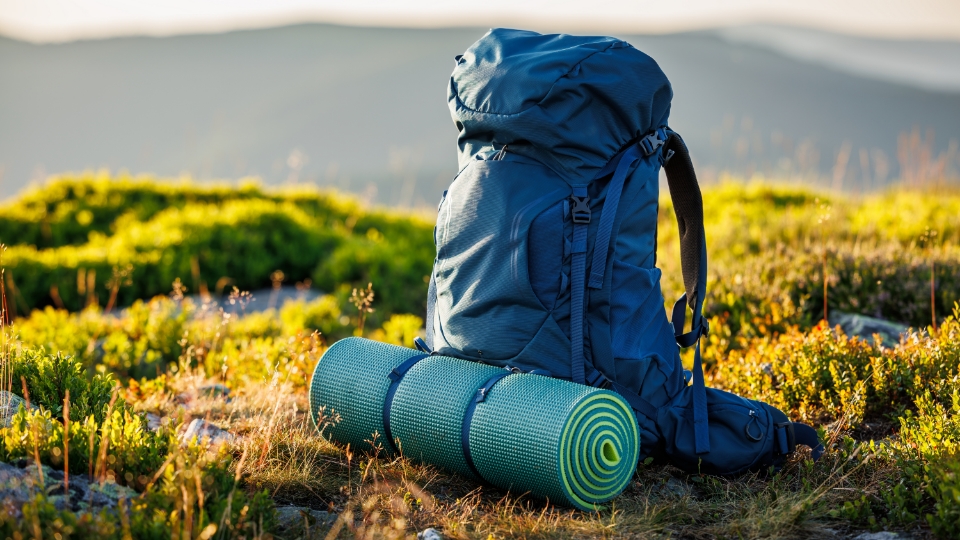
TrailGuard’s GPS-enabled backpack showcases how integrating advanced technology into gear can enhance user experience and differentiate product lines, meeting the increasing demand for functionality and innovation in the outdoor recreation market.
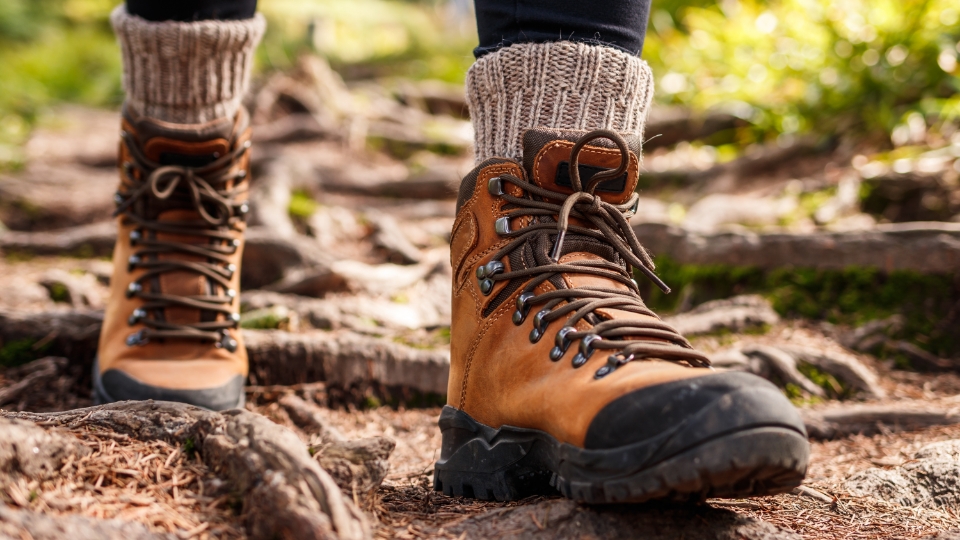
With customizable features, these hiking boots from SummitFlex highlight a growing trend in personalization, offering consumers tailored fit and performance while allowing manufacturers to tap into the premium, made-to-order market segment.
3. Customization and Personalization: Tailored for Every Adventure
As consumers seek more personalized experiences in every facet of life, the demand for customized outdoor gear is on the rise. Outdoor enthusiasts want gear that reflects their individual style, preferences, and specific needs.
Companies like FitForAll are making waves by offering custom-fit backpacks, tents, and footwear, allowing customers to select materials, features, and colors tailored to their specific adventures. The result? Gear that doesn’t just perform, but also feels uniquely suited to the user, enhancing comfort and confidence on every outing.
Key Takeaway: Personalization is no longer a luxury—it’s an expectation. Offering customizable options can set your brand apart, fostering loyalty and delivering a more personal connection between consumer and gear.
As consumers demand more from their outdoor gear, innovation is no longer a luxury—it’s a necessity. From eco-friendly materials to tech-integrated designs, the future of outdoor equipment lies in adaptability and sustainability.
4. Minimalist Gear: Less is More
The trend toward minimalist, ultralight gear continues to gain momentum, as adventurers seek equipment that’s compact, lightweight, and highly functional. This movement is driven not only by long-distance hikers and backpackers but by a broader audience of outdoor enthusiasts who value efficiency without sacrificing performance.
From packable sleeping bags that weigh mere ounces to multi-functional tools that combine several functions in one, brands are innovating to meet the demands of consumers who want to carry less while achieving more.
Key Takeaway: As the minimalist trend grows, focusing on compact, efficient designs can offer a competitive advantage. Think beyond traditional equipment to create versatile, multi-use products that cut down on weight and bulk.
5. Inclusivity in Design: Gear for All Adventurers
One of the most critical shifts in the industry is a growing focus on inclusivity. Historically, outdoor equipment has often been designed with a narrow demographic in mind, but today’s adventurers are diverse in every way—body size, gender identity, ability, and experience level. This has led to increased demand for gear that accommodates all shapes, sizes, and abilities.
Brands like TrailFit are pioneering the way with adaptive equipment for people with disabilities, including specialized hiking poles and all-terrain wheelchairs. At the same time, companies are expanding their sizing and fit ranges to include more options for women, larger individuals, and those who fall outside the traditional size spectrum.
Key Takeaway: The future of outdoor gear is inclusive. Expanding product lines to accommodate all adventurers, regardless of physical ability or body type, ensures that everyone can enjoy the outdoors comfortably and confidently.
Looking Ahead: What’s Next for OREA Members?
As the outdoor recreation industry continues to innovate, there’s no shortage of opportunities for growth. The key to staying ahead lies in listening to consumer needs, embracing technological advancements, and committing to sustainability and inclusivity.
For OREA members, these trends present both challenges and exciting possibilities. By staying attuned to the latest developments and adopting forward-thinking strategies, you can position your business to not only meet consumer expectations but exceed them.
Get Involved
Have insights or questions about the future of outdoor gear? We encourage OREA members to share their thoughts on our Member Forum or participate in our upcoming 2024 Gear Innovation Summit to learn more about these trends and how they will shape the industry.