How Recycled Polyester is Saving the Planet and the Gear
Recycled polyester is not just a trend; it’s a sustainable solution for outdoor gear manufacturers aiming to reduce their environmental impact while meeting consumer demand for eco-friendly products.
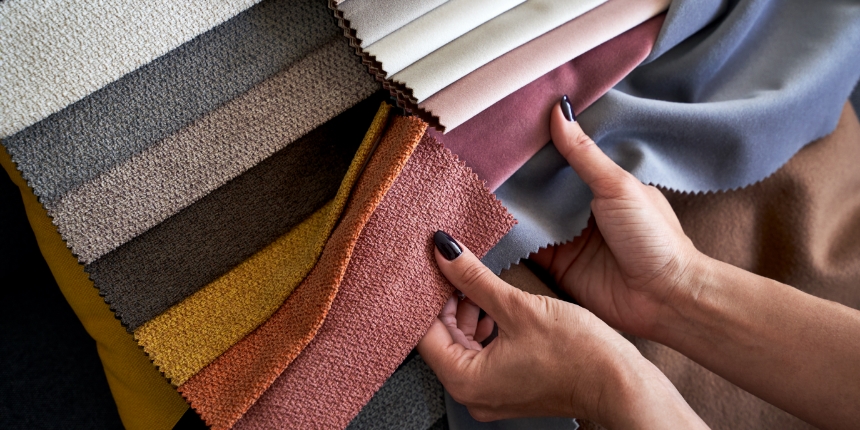
As outdoor enthusiasts become increasingly conscious of their environmental impact, manufacturers in the outdoor recreation industry are under pressure to adapt. One of the most significant shifts has been the growing adoption of recycled materials, particularly recycled polyester (rPET), in the production of outdoor gear. This eco-friendly alternative not only reduces waste but also offers a sustainable path forward for manufacturers.
Understanding Recycled Polyester
Recycled polyester is made from post-consumer plastic bottles and other plastic waste, which are processed and transformed into fibers suitable for fabric production. By reusing materials that would otherwise end up in landfills, brands can significantly cut down on their carbon footprint and resource consumption.
Brands like EcoTrail and GreenGear are leading the charge by integrating rPET into their product lines. By using recycled materials, these companies are demonstrating that outdoor gear can be both high-performance and environmentally responsible.
Benefits Beyond Sustainability
Using recycled polyester goes beyond just being eco-friendly. It offers several practical benefits for outdoor gear manufacturers and consumers alike:
- Durability and Performance: Contrary to common misconceptions, rPET is durable and performs just as well as virgin polyester. Many outdoor enthusiasts may not even notice the difference when using products made from recycled materials.
- Cost Efficiency: With the rise in awareness and demand for sustainable products, manufacturers find that incorporating rPET can be cost-effective. As the technology improves and supply chains adapt, costs associated with sourcing recycled materials are decreasing.
- Market Appeal: A growing number of consumers prioritize sustainability when making purchasing decisions. By offering products made from recycled polyester, brands can tap into this market and build stronger connections with environmentally conscious consumers.
Challenges in the Transition
While the benefits of recycled polyester are compelling, the transition isn’t without its challenges. Sourcing enough high-quality recycled materials to meet growing demand can be difficult, as can ensuring that the manufacturing processes remain sustainable.
Furthermore, consumer education is essential. Many outdoor enthusiasts are still unaware of the advantages of rPET and may be hesitant to choose products made from recycled materials. Brands need to invest in transparent communication about their sustainability efforts and the materials they use.
The Future of Outdoor Gear
As we look to the future, the outdoor recreation industry is poised for a revolution in how gear is produced and marketed. By embracing recycled polyester, manufacturers can help to create a circular economy where materials are reused and waste is minimized.
Companies that lead this movement not only stand to benefit environmentally but also financially as they meet the demands of a new generation of consumers who expect more from the brands they support.
Conclusion
The shift towards recycled polyester represents a pivotal moment in the outdoor industry’s journey towards sustainability. As brands continue to innovate and adopt eco-friendly practices, we can look forward to a future where outdoor gear not only performs well but also supports the health of our planet. The question remains: is your brand ready to join the movement toward sustainable outdoor recreation?