Behind the Scenes: How Outdoor Gear Manufacturing is Evolving
As outdoor gear manufacturing evolves, brands are embracing sustainable practices, advanced materials, and automation to meet rising consumer demands.
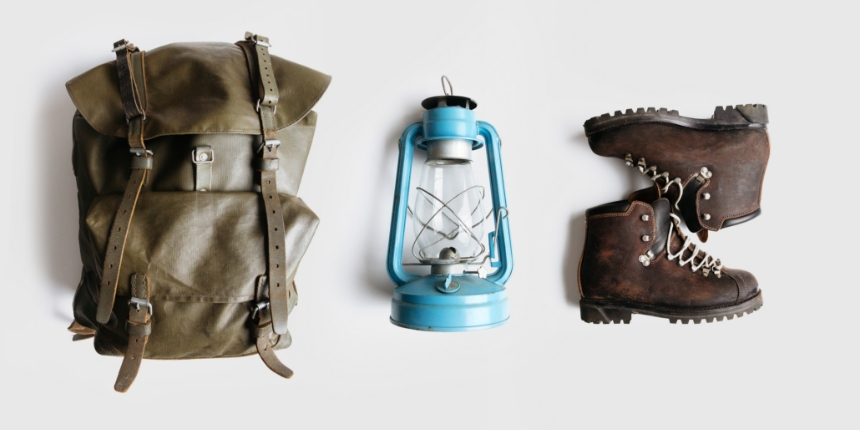
As the demand for innovative, durable, and sustainable outdoor gear continues to rise, the manufacturing process behind this equipment is evolving at a rapid pace. For members of the Outdoor Recreation Equipment Association (OREA), understanding the shifts in production techniques and materials is crucial for staying competitive in a market that prizes both performance and environmental responsibility. In this article, we take a closer look at the advancements transforming outdoor gear manufacturing and the challenges and opportunities that lie ahead for OREA members.
1. Sustainable Manufacturing: A Game Changer for the Industry
One of the most significant trends reshaping outdoor gear production is the shift toward sustainable manufacturing practices. Consumers are more eco-conscious than ever before, pushing brands to prioritize environmentally friendly methods, from sourcing raw materials to reducing carbon footprints throughout the supply chain.
Manufacturers are increasingly embracing closed-loop production cycles, which focus on minimizing waste by recycling and reusing materials. Green Gear Innovations, for instance, has developed a system where leftover fabric scraps from production are transformed into new products, reducing material waste by nearly 30%.
“The challenge is balancing sustainability with performance,” says Jessica Lee, CEO of TrailTech Equipment. “While recycled materials are critical to reducing environmental impact, we also have to ensure they meet the high durability and functionality standards that outdoor enthusiasts expect.”
Key Takeaway: Integrating sustainability into manufacturing processes isn’t just a trend; it’s becoming an industry standard. Companies that invest in eco-friendly innovations will have a competitive edge as consumers increasingly prioritize environmentally responsible brands.
2. Advanced Materials: The Frontier of Gear Durability
Durability and lightweight design have long been cornerstones of quality outdoor gear, and material science is playing an increasingly vital role in pushing the boundaries of what’s possible. Manufacturers are turning to advanced compositesand nano-fiber technologies to create products that are stronger, lighter, and more resistant to extreme weather conditions.
Take X-Trek Materials, a pioneer in graphene-enhanced fabrics, which have revolutionized outerwear by offering unparalleled strength while remaining breathable and ultra-light. Meanwhile, AeroTrek Designs is using aerogel—a material developed for space exploration—to insulate sleeping bags and jackets, providing maximum warmth with minimal weight.
Key Takeaway: Staying informed about the latest material innovations is critical for outdoor gear manufacturers looking to meet consumer demands for high-performance products. Advanced materials that combine durability, comfort, and lightweight construction will continue to set top brands apart.
3. Automation and Customization: The Future of Production
The rise of automation in outdoor gear manufacturing is streamlining production, reducing costs, and enabling faster time-to-market. 3D printing and robotic assembly lines are now being employed to produce everything from custom-fit hiking boots to complex multi-function gear with minimal human intervention.
In addition to improving efficiency, automation is driving a trend toward mass customization. Brands are increasingly offering customizable options for consumers, from tailored backpacks to color and feature selection for apparel. HikeFit Solutions has implemented an automated 3D scanning process that allows customers to create custom-fitted hiking shoes based on foot measurements taken at home.
“Customization is a win-win for both the consumer and the manufacturer,” notes Lucas Morales, Production Manager at PeakPro Gear. “Automation allows us to quickly scale up production without compromising on the personalized experience today’s consumers are looking for.”
Key Takeaway: As automation technology continues to advance, it presents an opportunity for manufacturers to improve efficiency while offering tailored products to consumers. Brands that adopt these technologies will be able to meet the growing demand for personalization in outdoor gear.
4. Global Supply Chain Challenges: Navigating the New Normal
While innovation in materials and automation is transforming the way gear is produced, global supply chain disruptions remain a significant challenge. From raw material shortages to rising transportation costs, outdoor gear manufacturers are facing delays and increased expenses that complicate production.
Some companies are shifting to nearshoring—moving production facilities closer to home markets to reduce reliance on international shipping and supply chain vulnerabilities. Others are adopting just-in-time (JIT) inventory systems, which minimize stockpiles and reduce waste by producing goods only when orders are placed.
Key Takeaway: The outdoor gear industry must stay agile in the face of ongoing global supply chain disruptions. Implementing localized production solutions and flexible inventory management systems can help mitigate risks and maintain steady output.
5. Meeting Ethical Manufacturing Standards
Beyond environmental sustainability, there’s a growing consumer expectation that outdoor brands adhere to ethical manufacturing practices. Transparency regarding fair labor practices, worker safety, and humane working conditions has become a priority for consumers who want to ensure their gear is not only high-quality but also ethically made.
Brands like MountainEthos Gear are leading the way by partnering with factories that adhere to Fair Trade Certifiedstandards and by publicly disclosing their supply chain practices. Ethical manufacturing not only boosts brand reputation but also strengthens consumer trust and loyalty.
Key Takeaway: Outdoor gear companies must prioritize ethical manufacturing to build consumer trust. Transparent supply chains and fair labor practices will increasingly influence purchasing decisions, particularly among younger consumers.
Looking Forward: The Path Ahead for OREA Members
The future of outdoor gear manufacturing is undoubtedly exciting, but it’s also complex. OREA members must balance the demands for innovation with the challenges posed by sustainability, automation, and global supply chains. Staying ahead in this fast-paced environment will require continued investment in new technologies, materials, and ethical practices.
For members of OREA, the message is clear: The manufacturers who can embrace these advancements and stay nimble will lead the industry forward. Whether it’s adopting sustainable production practices or harnessing the power of automation, the next generation of outdoor gear will be defined by innovation, performance, and responsibility.
Get Involved:
Join the discussion on these evolving manufacturing trends at our upcoming Outdoor Gear Manufacturing Summit in November 2024. Register through the Member Portal today!